

Hidden fees are charges that aren’t immediately obvious or disclosed upfront, often slipping through the cracks in everyday transactions. Whether you’re signing up for a new service, booking travel, or even shopping, these fees can quickly add up, affecting your budget and financial goals. The good news is that with a little vigilance and knowledge, you can spot and avoid these extra charges. Here’s how:
1. Understand Common Hidden Fees
The first step in avoiding hidden fees is understanding where they typically appear. Common areas where hidden fees are prevalent include:
- Banking and Credit Cards: These often include account maintenance fees, ATM withdrawal charges, late payment penalties, and foreign transaction fees.
- Travel and Booking: Airlines, hotels, and car rental services are notorious for tacking on additional costs such as baggage fees, cleaning fees, or resort fees.
- Online Shopping: Shipping charges, handling fees, and “processing” fees can sometimes surprise customers during checkout.
- Subscription Services: Free trials that automatically roll into paid subscriptions or cancellation fees when you try to cancel.
By knowing where to look, you can be more mindful when making purchases.
2. Read the Fine Print
One of the most effective ways to identify hidden fees is to carefully read the terms and conditions before making any purchase or commitment.
Businesses often bury extra charges in fine print, and failing to read these details could mean you miss them entirely.
- Tip: When signing up for a service, always check for terms about renewal fees, cancellation policies, and other potential additional charges. This is especially important for services that offer free trials or promotional pricing.
3. Ask About Fees Upfront

If you’re unsure about potential fees, don’t hesitate to ask. Whether you’re booking a hotel room, signing up for a new credit card, or ordering a product online, directly inquire about any possible additional costs that might arise.
- Example: When booking a flight, ask the airline representative if there are any extra charges for checked luggage, seat selection, or food on board. Similarly, ask a car rental company if they charge additional fees for insurance or late returns.
4. Use Online Fee Transparency Tools

Many platforms offer fee transparency, particularly for financial services and travel. Use these tools to compare prices and spot hidden charges across various companies or providers.
- Example: Use websites like Kayak or Expedia to compare flight or hotel prices, ensuring that all taxes and fees are included in the initial price.
- For financial products, apps like Credit Karma or NerdWallet can help you identify hidden fees in credit cards, loans, and bank accounts before you commit.
5. Check for “Service” or “Processing” Fees
Service or processing fees are common charges added to many transactions, especially for online purchases or services. These fees are often vague, without a clear explanation of what they cover.
- Tip: Always verify the breakdown of your total price at checkout and question any additional charges that don’t have a clear explanation. Sometimes, paying via a different method (like using a debit card instead of a credit card) can eliminate some of these fees.
6. Opt for Services with Clear Pricing Models
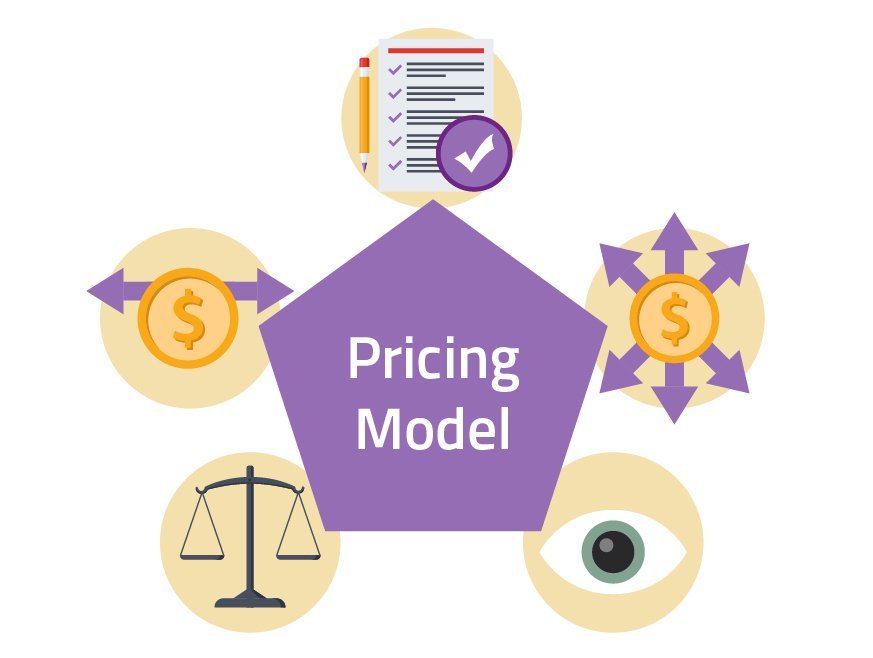
Whenever possible, choose companies that offer clear, upfront pricing without hidden fees. Some services may appear cheaper at first glance, but hidden charges can make them more expensive in the long run.
- Example: Some ride-sharing apps and hotels charge “booking fees” or “cleaning fees” that aren’t included in the initial price estimate. Look for services that clearly display all fees before confirming your transaction.
7. Use Fee-Free Accounts and Services

To minimize hidden fees in banking and financial services, look for accounts or credit cards with no monthly fees or no ATM withdrawal fees. Many financial institutions now offer options that are more transparent with fewer charges.
- Example: Online banks like Ally Bank or Chime typically offer fee-free checking and savings accounts with no hidden charges.
8. Keep Track of Subscription Services

Many people overlook recurring subscription fees, which can result in wasted money over time. Services like streaming platforms, gym memberships, and cloud storage may automatically renew without your active consent.
- Tip: Regularly review your subscription services and make sure you’re only paying for what you actually use. Apps like RocketMoney or Trim can help you monitor and cancel unnecessary subscriptions.
9. Be Cautious with “Free” Trials

Free trials can often come with hidden terms, such as automatic charges after the trial period ends or hefty cancellation fees. Always set a reminder to cancel free trials before they convert to paid subscriptions.
- Tip: Read the terms and conditions of free trials thoroughly and make sure you understand when you will be charged. Opt for trials with clear and simple cancellation processes.
10. Watch Out for Overdraft Fees

If you’re not careful with your bank account balance, overdraft fees can catch you off guard. These fees are applied when your account balance falls below zero, often triggered by automatic payments or checks.
- Solution: Set up alerts to monitor your account balance and ensure that you have enough funds to cover any automatic payments. Many banks also offer overdraft protection to help avoid these fees.
Hidden fees can add up quickly and derail your financial goals if you’re not vigilant. By understanding common fee structures, asking questions upfront, reading fine print, and using transparent services, you can avoid unnecessary charges and keep your budget on track.
With a proactive approach, you’ll be better equipped to spot hidden fees and make more informed purchasing decisions.