
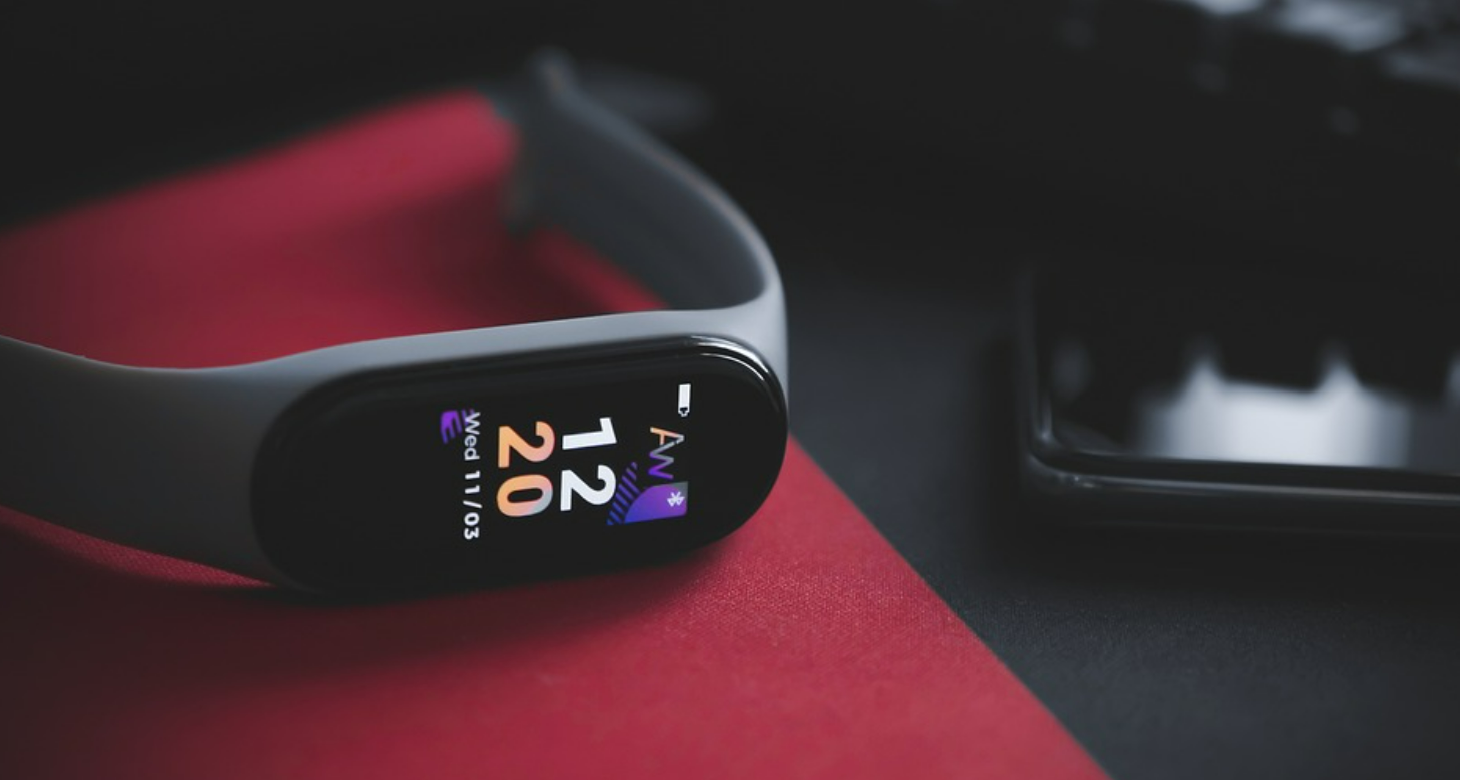
The market for fitness trackers is booming, with a dizzying array of options — from simple pedometers to sophisticated devices that monitor everything from your sleep patterns to your heart rate variability. Choosing the right fitness tracker can be tricky, especially if you have no idea what to look for. The good news is that with us, you can find the perfect device to help you achieve your health and wellness goals. Let us walk you through the critical aspects to compare so that you can make the best choice.
Core Activity Tracking
That’s the core feature of all fitness trackers and the main reason for you to get the device. When deciding on the model to purchase, keep an eye on the following features:
Step Counting — This is the foundation of most fitness trackers. They use an accelerometer to measure movement and estimate the number of steps taken throughout the day. Consider the accuracy of the step counting, especially if you’re using it for serious goal setting. Look for reviews that discuss this.
Distance Tracking — Based on step count and your stride length (which may be automatically estimated or manually entered), the tracker estimates the distance you’ve covered.
Calorie Tracking — Fitness trackers estimate calorie burn based on your activity level, age, weight, height, and gender. These are estimates, and their accuracy can vary, but they can be helpful for general awareness.
Active Minutes/Hours — Many trackers monitor the intensity of your activity and award you with “active minutes” or “active hours” based on guidelines set by health organizations.
Heart Rate Monitoring
Having a tracker to monitor your heart rate is a good thing, especially if you are training a lot and taking care of your health. Here is what’s really important:
- Continuous Heart Rate Tracking — Some trackers offer continuous heart rate monitoring, providing a detailed view of your heart rate throughout the day and during workouts. This is valuable for understanding your heart rate zones and optimizing your training.
- Resting Heart Rate (RHR) — Monitoring your RHR is a good indicator of your overall fitness level. A lower RHR generally signifies better cardiovascular health.
- Heart Rate Zone Training — Trackers can display your current heart rate zone (e.g., fat burning, cardio, peak) during workouts, helping you train at the appropriate intensity.
Sleep Tracking
This is another great feature to look for. After all, you want your body to rest properly and recharge energies at 100%. Advanced fitness trackers come with the following functions:
- Sleep Duration — Trackers can estimate the total amount of time you spend asleep.
- Sleep Stages — More advanced trackers can differentiate between different sleep stages, such as light sleep, deep sleep, and REM sleep. This information can help you understand your sleep patterns and identify potential sleep problems.
- Sleep Score/Insights — Many trackers provide a sleep score based on various sleep metrics, along with personalized insights and recommendations for improving sleep quality.
Workout Tracking
Modern fitness trackers offer a wide array of tracking options that go far beyond simply counting your steps. When comparing trackers, consider the following:
- Variety of Activities Tracked — Does the tracker primarily focus on walking and running, or does it offer support for a wider range of activities such as swimming, cycling, weightlifting, yoga, and hiking? Look for devices that cater to your specific fitness interests. Specialized trackers might even offer unique metrics for specific sports, like stroke rate for swimming or cadence for cycling.
- GPS Functionality — If you frequently engage in outdoor activities like running or cycling, built-in GPS is a highly desirable feature. It allows the tracker to accurately record your distance, pace, and route without relying on your smartphone. Some trackers offer connected GPS, utilizing your phone’s GPS, which can save battery life but requires you to carry your phone.
- Data Presentation and Analysis — The way the tracker presents your data is equally important. Does it offer clear and easy-to-understand graphs and charts? Does it provide personalized insights and recommendations based on your activity levels? A user-friendly interface and meaningful data analysis can significantly enhance your tracking experience.
Battery Life
Think about it: a fitness tracker that dies after a single day of use, especially with demanding features like GPS enabled, requires constant attention. This can be particularly inconvenient if you’re traveling, camping, or simply have a busy schedule that makes finding time to charge difficult. Therefore, when comparing fitness trackers, go beyond the marketing claims and delve into the specifics of battery performance:
- Stated Battery Life vs. Real-World Usage — Manufacturers often tout impressive battery life figures based on optimal conditions and minimal feature usage. Consider how often you plan to use GPS, heart rate monitoring, and notifications, as these features are significant battery drainers.
- Charging Time — How long does it take to fully charge the tracker? A quick charging time is a significant advantage, especially if you tend to forget to plug it in until the last minute. Look for trackers that offer a decent battery boost with a short charging period.
- Battery Type and Replacement — While most trackers use rechargeable lithium-ion batteries, understanding the battery type can be helpful. Also, consider whether the battery is easily replaceable should it degrade over time. Some trackers require professional replacement, adding to the long-term cost of ownership.
- Power Saving Modes — Many trackers offer power-saving modes that disable certain features to extend battery life when needed. Explore these modes and understand what functionality is sacrificed to achieve longer usage. This can be a lifesaver when you’re away from a power source for an extended period.
Find a Fitness Tracker That Works Best for You
When choosing a fitness tracker, it’s easy to get caught up in the bells and whistles — GPS tracking, heart rate monitoring, and sleep analysis. However, other crucial factors to consider are often overlooked until you’re frantically searching for a charger mid-workout. Beyond the sleek designs and promises of a healthier you, it’s crucial to understand the functions that genuinely matter and how they align with your personal fitness goals. Stick to our recommendations, and you will never fail.